Loading...
Loading...
Loading...
Wool Laps mill waste – sustainable creativity.
Rehab breathes new life into quality fibers and yarns, transforming scraps and leftovers into sustainable, creative materials ready to inspire your craft projects.
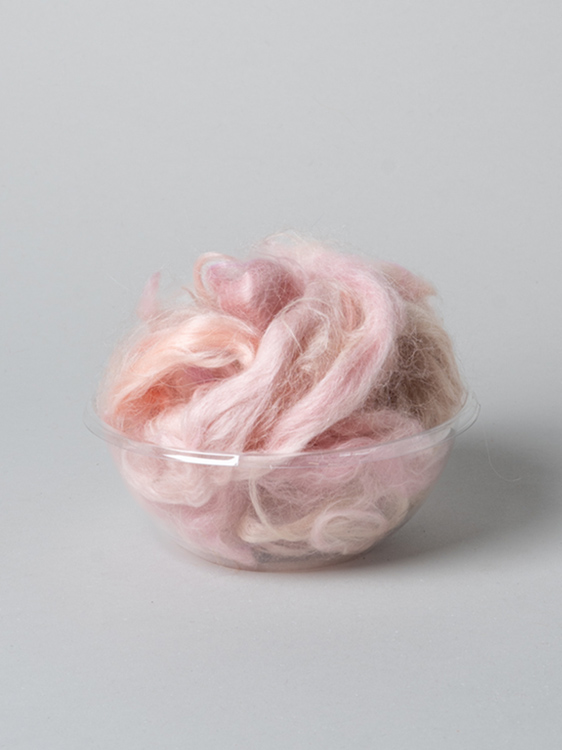
Wool laps mill waste represent a creative and sustainable choice, obtained from the recovery and reworking of fibers from existing production processes or textile materials. This is why they were included in our Rehab selection.
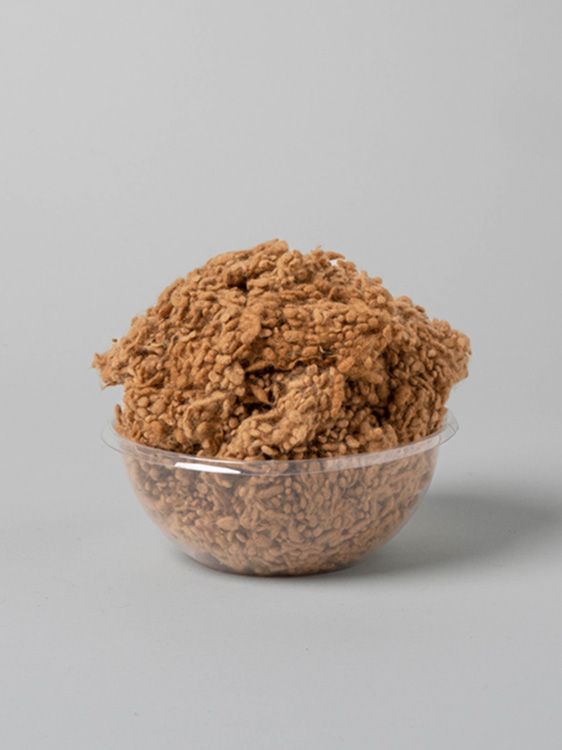
Their soft, irregular texture lends character and authenticity to any project, offering a raw material rich in unique textures and nuances. Ideal for spinning, felting and artistic experimentation, these laps embody a new vision of fiber: responsible, expressive and contemporary.
Availability and packaging
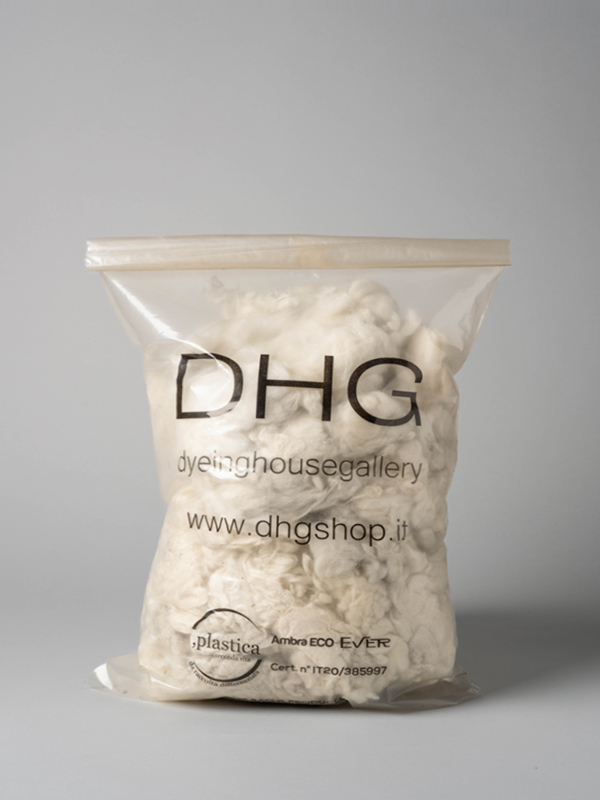
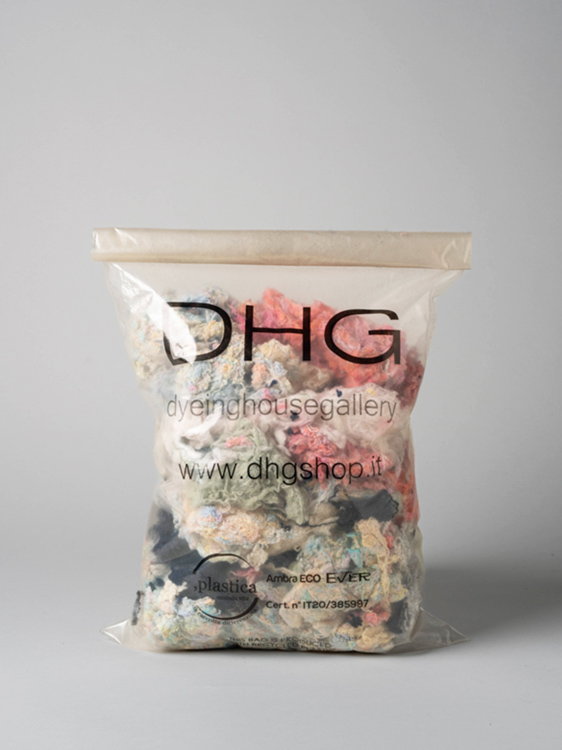
Wool laps are available in packages of 100 g, 500 g, 1 kg per color. Each package has a natural tolerance of ±3%. The different packages are designed for both those who need small quantities and those who need large quantities and/or want to save money. For non-ECE shipments, the packages are vacuum-packed, reducing volume and lowering shipping costs. Don’t worry: once opened, the fiber returns to its original, fluffy volume without any loss of quality.
Laps of wool. There may also be minute percentages of mohair and alpaca.
Wool laps are made up of softly arranged, disordered fibers that are neither combed nor aligned, creating an airy, voluminous structure. This configuration promotes good cohesion during processing and allows for surfaces rich in movement and three-dimensionality. The presence of fibers of different lengths and origins contributes to a textural and dynamic texture that is particularly popular in creative and experimental projects.
Wool laps originate in our textile district, Prato, from a process of recovering and enhancing textile fibers from previous processing or regenerated materials. This approach makes it possible to reduce waste and extend the life cycle of raw materials, contributing to more responsible and environmentally conscious production. Fibers are selected and processed according to quality criteria that ensure uniformity and reliability of the final material.
The Prato textile district represents one of the most important historical examples of circular economy applied to textiles. Since the nineteenth century, Prato companies have developed unique skills in fiber recovery and regeneration, transforming waste and post-consumer materials into new quality raw materials. This tradition of textile recycling, based on technical knowledge, careful fiber selection and established mechanical processes, has made Prato an international benchmark for sustainability in the textile industry. Even today, this production culture continues to enhance existing resources, reducing waste and promoting a responsible and conscious approach to production.
Merino wool laps is perfect for needle felting.needle felting, forwater felting, for spinning.
Want to check the quality of the material? Choose our Sample Box.